Litigation Stories: Why They Matter and How to Tell Them
By Jill Huntley Taylor, Ph.D.
Every case has a story. The question is whether that story is told compellingly enough to move a jury to action.
Continue ReadingKnowledge & Strategy
Drawing on decades of jury research and trial experience, we share what we know to help legal teams think more clearly about their cases.
By Jill Huntley Taylor, Ph.D.
Every case has a story. The question is whether that story is told compellingly enough to move a jury to action.
Continue ReadingJurors are often skeptical of emotional harm damages. Understanding why — and how to address that skepticism — is critical to your damages case.
Continue ReadingVideo evidence can be powerful — but only if it's presented in a way that jurors can process and retain.
Continue ReadingBy Tate Taylor
The foreperson plays an outsized role in deliberations. Understanding who gets selected — and why — can shape your trial strategy.
Continue ReadingBy Lexi Slome, Ph.D.
Technical jargon and excessive detail don't just confuse jurors — they distance them. Here's how to keep witnesses clear, accessible, and persuasive.
Continue ReadingWitnesses can experience many emotions when they have to testify, whether at deposition or trial. Anxiety, shame, anger, and fear all impact the delivery of their testimony.
Continue ReadingMost attorneys treat depositions as a stepping stone to trial. Plaintiffs' attorneys treat them as trial itself. Here's what defense teams need to know.
Continue ReadingDefense lawyers often go into trial expecting the worst from their jury. That mindset may be costing them cases.
Continue ReadingFocus groups and mock trials serve different purposes. Knowing which one fits your case can save time, money, and surprises at trial.
Continue ReadingAt TTC, we like to say: learn at research, win at trial. Here are our tips to maximize learning at your mock trial.
Continue ReadingBy Jill Huntley Taylor, Ph.D.
Social justice movements, COVID-19, and shifting juror attitudes have fundamentally changed the landscape for employment litigation. Here's what trial teams need to know.
Continue ReadingToday's jurors bring different expectations, experiences, and skepticism to the courtroom. Attorneys who haven't adapted their approach are at a disadvantage.
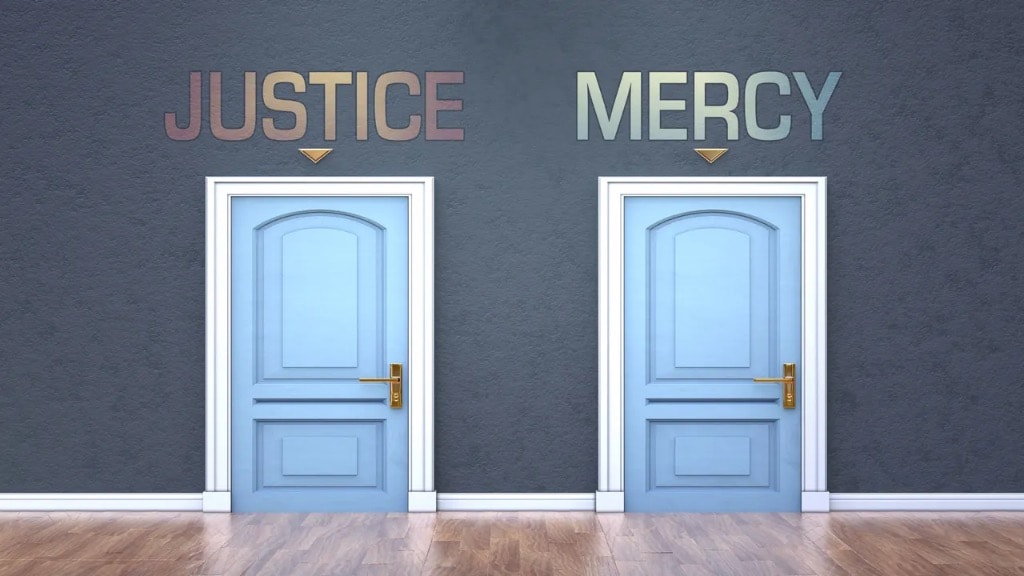
Continue ReadingIn cases where liability is clear, the defense's best path is often through mercy — not denial. Here's how to make that argument effectively.
Continue ReadingNuclear verdicts don't happen by accident. Understanding the attitudes and case factors that drive them is the first step to defending against them.
Continue ReadingJurors connect with victims. That connection — and how attorneys manage it — often determines the outcome of a case.
Continue ReadingBy Jill Huntley Taylor, Ph.D.
What are jurors really saying when they return a nuclear verdict? Understanding the message behind the money is key to addressing the problem.
Continue ReadingThe most effective trial attorneys are storytellers. Here's how to build a narrative that jurors will remember — and believe.
Continue ReadingToday's jury pools include more people who identify as victims — of crime, discrimination, corporate wrongdoing, and more. That changes everything.
Continue ReadingAttacking the opposing party may feel satisfying, but it rarely moves jurors. Facts — presented clearly and compellingly — do.
Continue ReadingJurors today are more attuned to discrimination — and more likely to see it — than ever before. Here's what that means for employment cases.
Continue ReadingStealth jurors hide their true opinions during voir dire. Knowing how to identify them — before they reach deliberations — is a critical trial skill.
Continue ReadingAfter decades of trial consulting, these are the three things we see make the biggest difference in how jurors respond to a case.
Continue ReadingJuries are increasingly divided along political, cultural, and experiential lines. Understanding those divisions — and bridging them — is more important than ever.
Continue ReadingThe Derek Chauvin trial offered a rare public window into high-stakes voir dire. Here's what trial consultants took away from it.
Continue ReadingJurors arrive in the courtroom with preexisting distrust of corporations and institutions. Ignoring that distrust is a costly mistake.
Continue ReadingThe most effective trial attorneys find ways to connect with jurors across differences. Here's how to build that common ground.
Continue ReadingConversations about systemic racism have entered the jury box. Here's how those conversations are shaping verdicts — and what attorneys can do about it.
Continue ReadingTrials are unpredictable. But attorneys who abandon their strategy at the first sign of trouble often make things worse. Here's how to stay the course.
Continue ReadingUnderstanding what a jury would do with your case is the foundation of any smart settlement strategy. Here's how to get that information.
Continue ReadingCancel culture has entered the courtroom. The freedom vs. equality divide among jurors is one of the most powerful — and underused — tools in voir dire.
Continue ReadingMost jurors believe they are following the law — even when they aren't. Understanding why fairness trumps legal instruction is essential for any trial team.
Continue Reading